
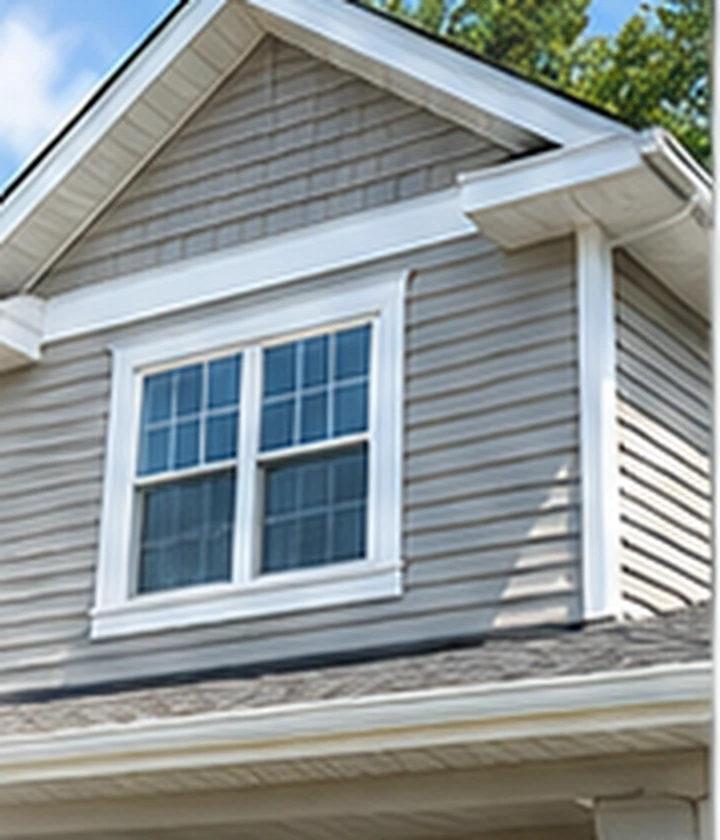
Is it a good fit for a Sarnia home?
- Wood-grain appearances and deep shadow lines
- Lap, panel and board-and-batten options
- Factory-finished colour choices on many lines
- Lighter handling than fibre cement
- Coordinated trim systems are often available
Where this material can disappoint
- It remains wood-based, so water management and clearances are critical
- Cut edges may need treatment
- Coating maintenance varies by manufacturer
- Warranty terms are product-specific
- Overdriven fasteners can damage the system
These are not reasons to reject the material. They are the details to understand before selection. Product line, exposure, colour, profile and installation quality can change the result substantially.
Installation details that matter
- Follow specified nail type, spacing and penetration
- Maintain roof, grade and hard-surface clearances
- Treat cut edges and penetrations as required
- Use integrated flashing at openings
- Store and handle panels to avoid moisture exposure
The manufacturer’s current installation instructions should govern fasteners, clearances, flashing and accessories.
Maintenance and repair
Inspect finish, bottom edges, joints and high-splash areas. Refinish or touch up according to the manufacturer’s coating instructions.
How to compare it with other siding
Compare appearance, maintenance, repairability, installed cost and the wall details required—not just the panel price. Use the Sarnia material comparison and cost guide.
Questions about Engineered Wood Siding
Is engineered wood the same as natural wood?
No. It is a manufactured wood-based exterior product with resins, treatments and engineered dimensions.
Is LP SmartSide engineered wood?
Yes. LP SmartSide is one prominent brand in the category.
Does engineered wood need painting?
Many products are prefinished; others are primed for field painting. Maintenance depends on the chosen system.
How does it compare with fibre cement?
Engineered wood is generally lighter and wood-based; fibre cement is denser and cementitious.